
Selected work for highway concessionaires, the Public Works Department, local authorities, universities and industrial developers.
Our clients bring us the sections that fail first: slow lanes under heavy trucks, junctions where vehicles brake and turn, and industrial roads that see lorries all day. The projects below show how Fibre Mastic Asphalt is specified, produced, laid and monitored on those roads.
road projects completed for federal, state, highway, council and industrial road owners
sections resurfaced on the Senai–Desaru Expressway since the first section in 2019
states with federal route sections resurfaced under the Federal Road Maintenance programme
From one trial section to more than fifty.


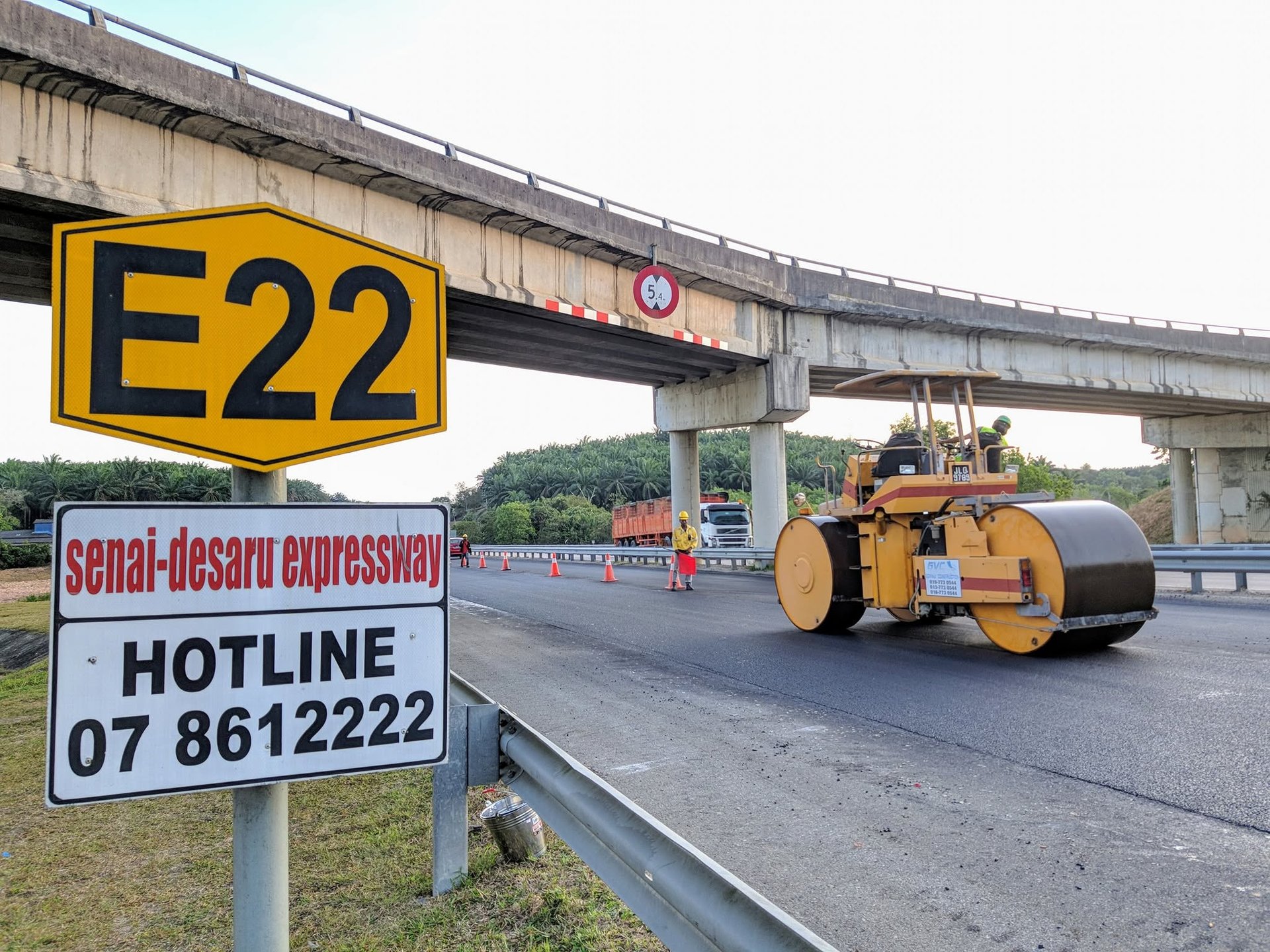
Slow lanes on the Senai–Desaru Expressway (E22) carry heavy trucks between Senai, Pasir Gudang and Desaru. Since the first section at KM5.1 in 2019, facilitated by MTDC, Fibre Mastic Asphalt has been laid on more than 50 sections.
One mix, designed for the expressway's aggregates and traffic, is used throughout. After three years in service, the KM5.5 section recorded 3.5 mm of rutting and no cracking.
Federal routes resurfaced in nine states.





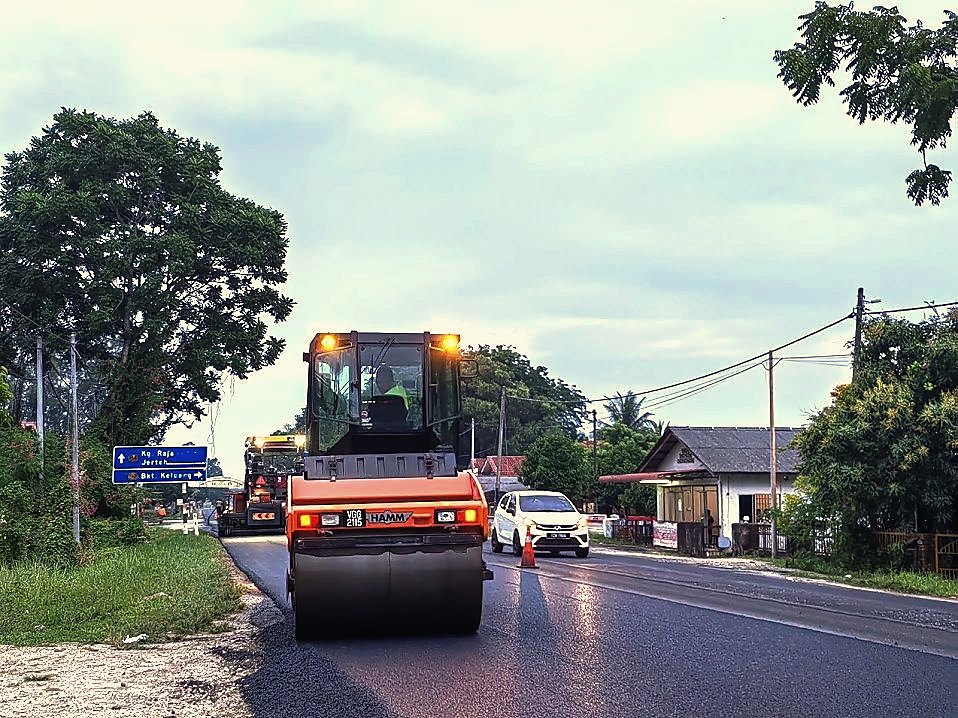
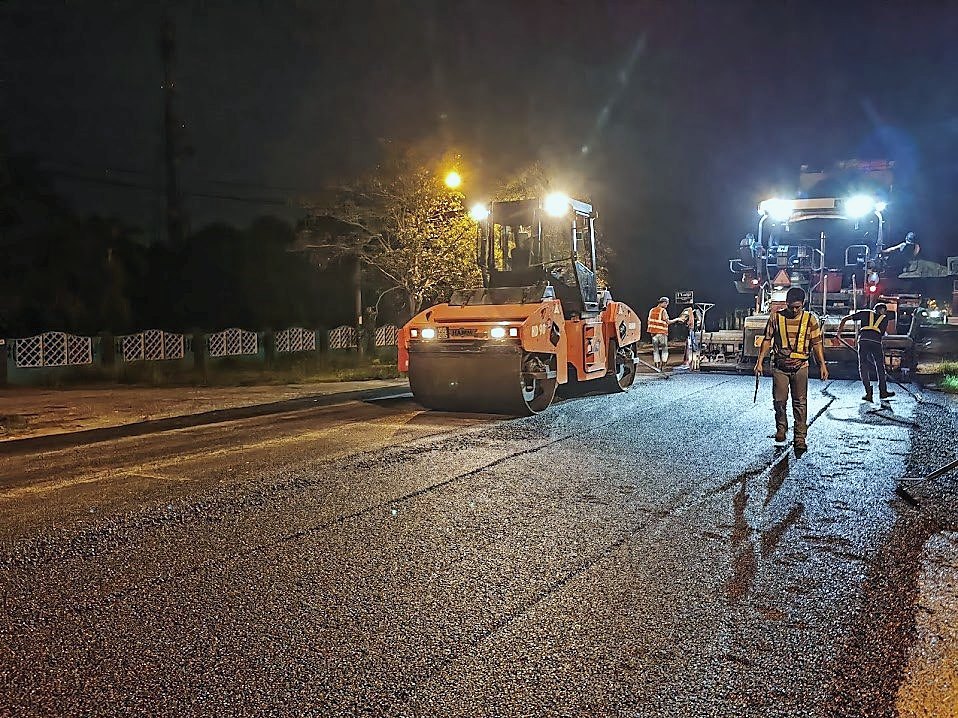
Under JKR's Federal Road Maintenance programme, Fibre Mastic Asphalt is laid as a mill-and-pave wearing course on federal routes with recurring rutting and cracking, in annual phases with the regional maintenance concessionaires.
Every section follows the same sequence: site assessment, mix design and plant trial, supervised paving, and monitoring after the road reopens.
Four consecutive years.

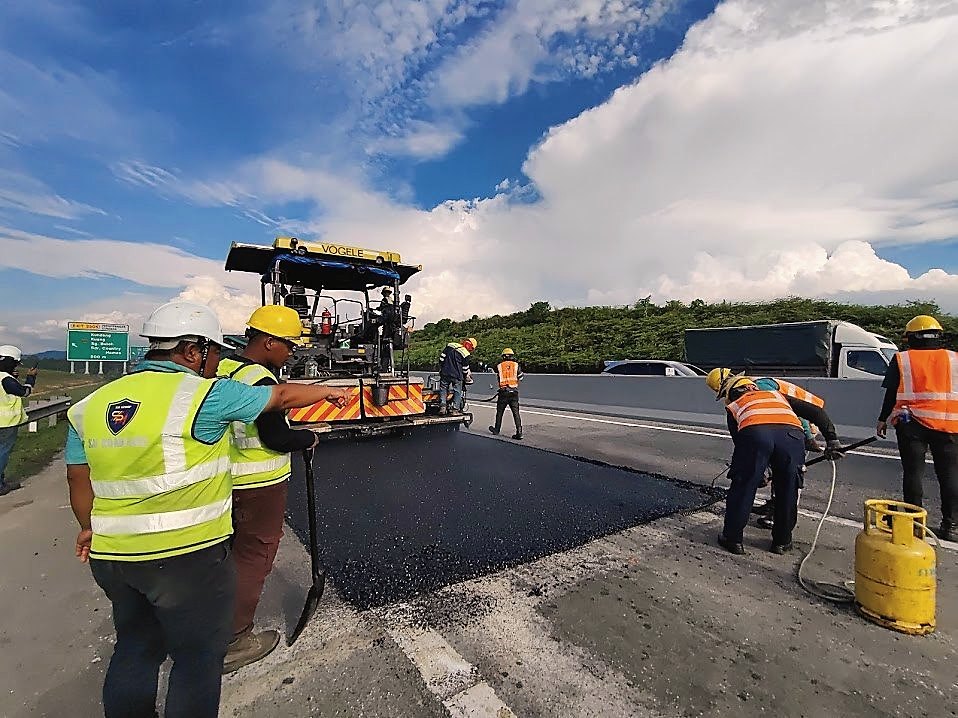
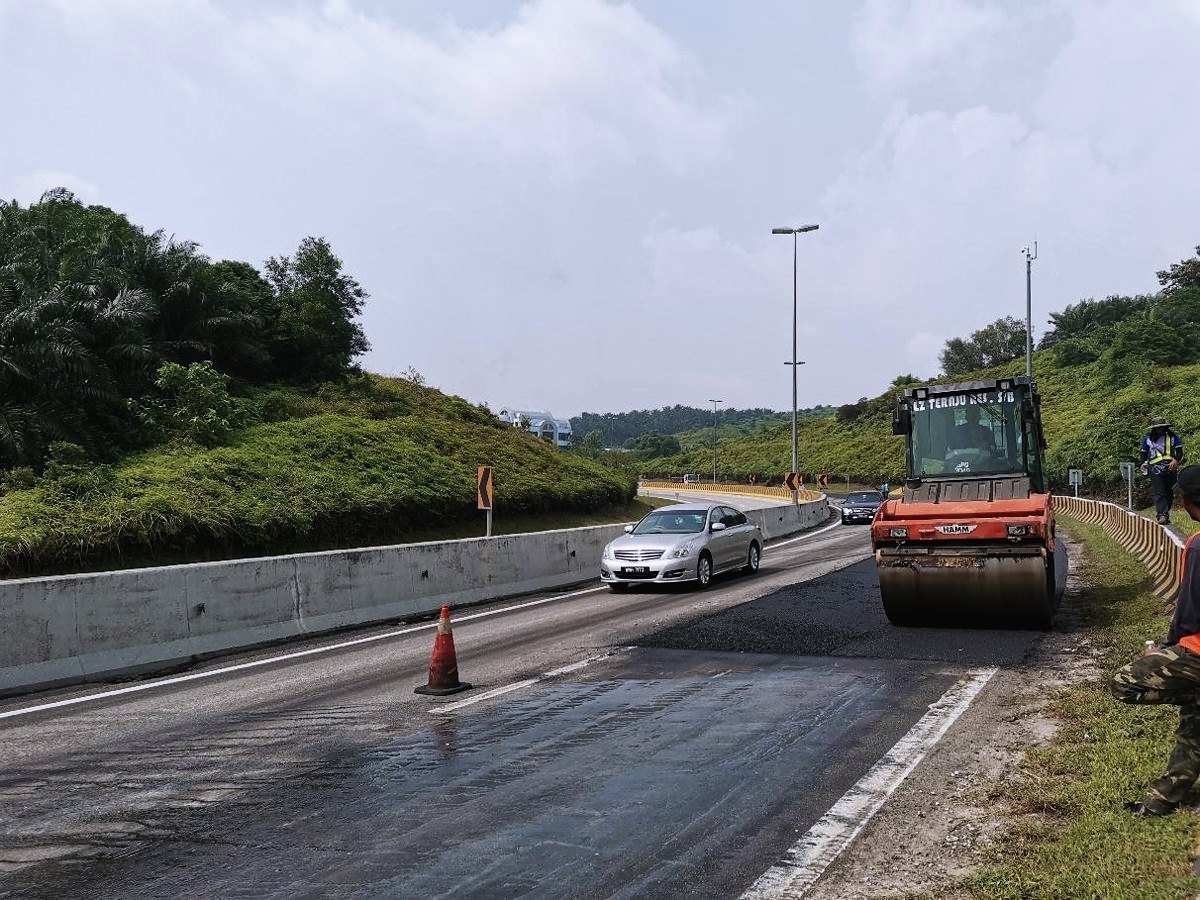
After a one-day trial lay in October 2023, FMA20 has been used on the LATAR Expressway (E25) every year since, resurfacing slow-lane sections affected by rutting, cracking and shoving.
At the three-month inspection in March 2026, the 2025 sections showed no cracking, rutting, potholes or deformation.
Specified from day one.

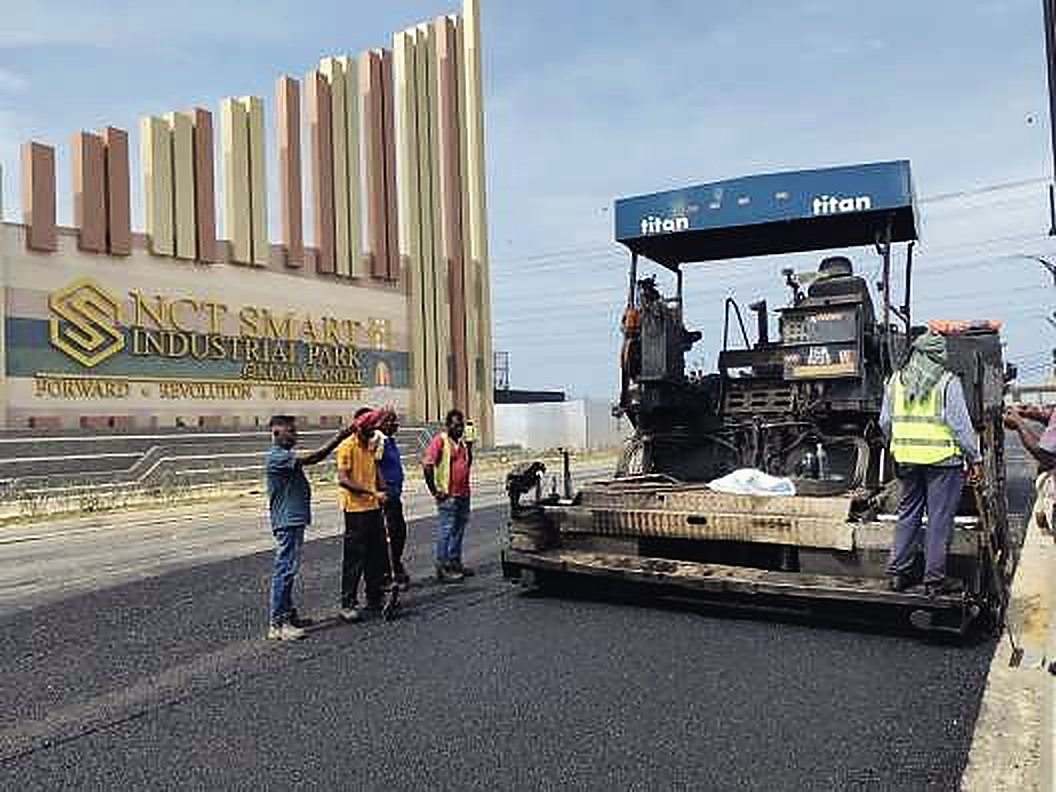
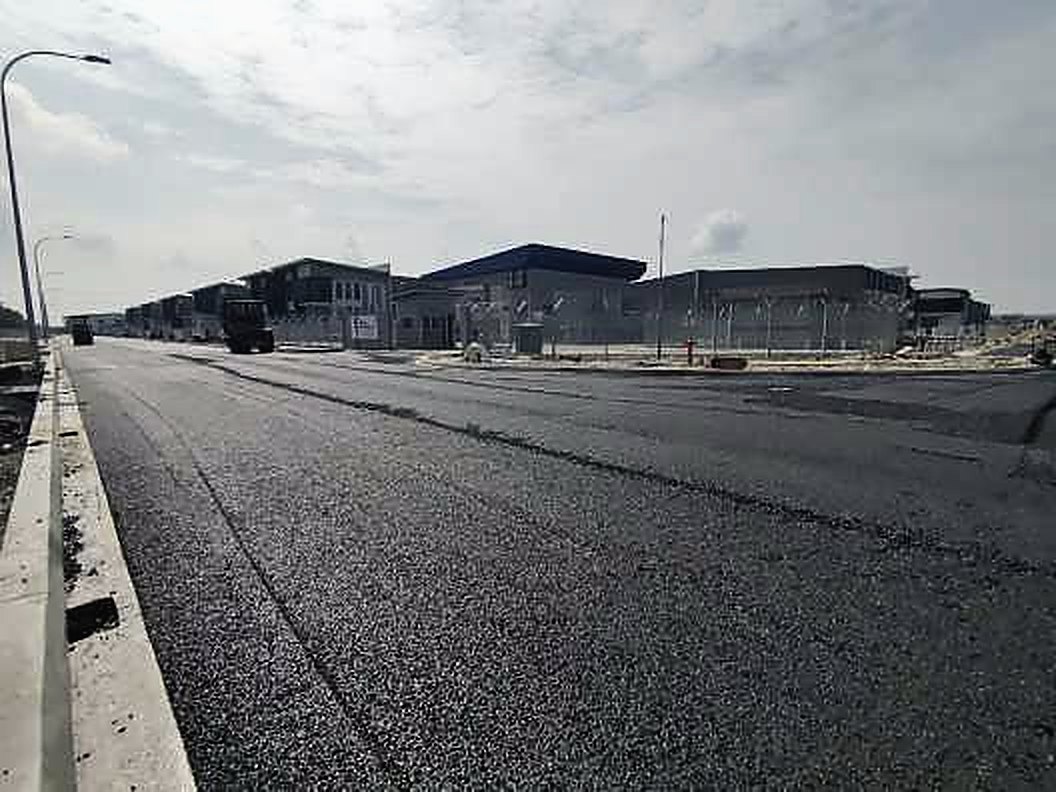
FMA20 was specified as the wearing course for the internal roads of NCT Group's industrial park in Sepang: 60 mm over a 70 mm AC28 binder course, built for continuous heavy traffic.
Phase 1 laid about 4,940 tonnes in eight working days in March 2026, with Novapave engineers on site throughout. Phase 2 followed in July 2026.
Repeat work on port roads.


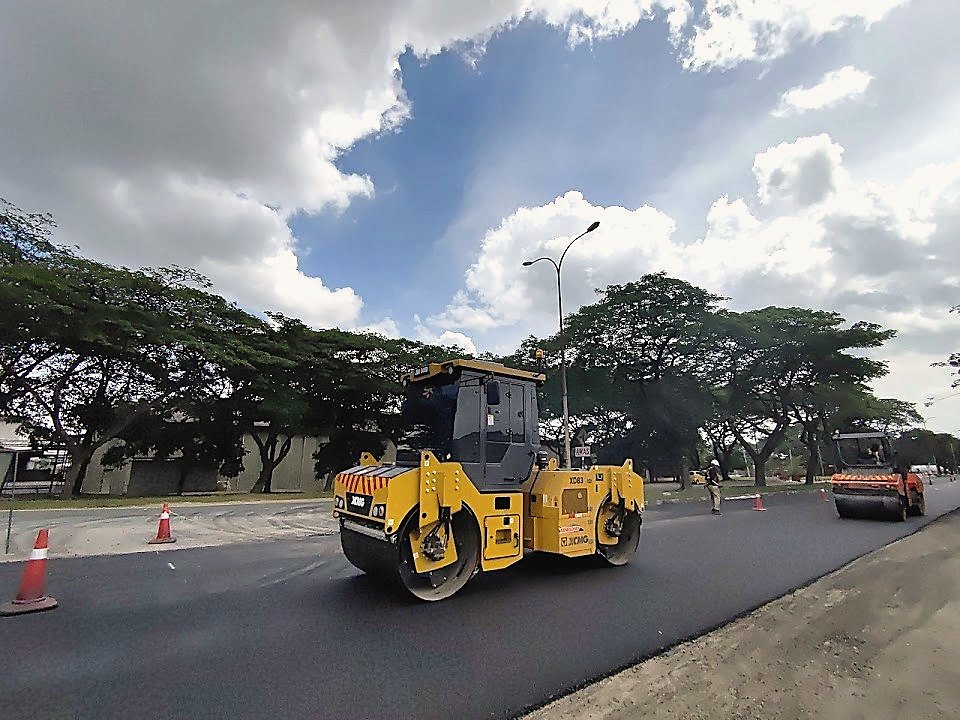
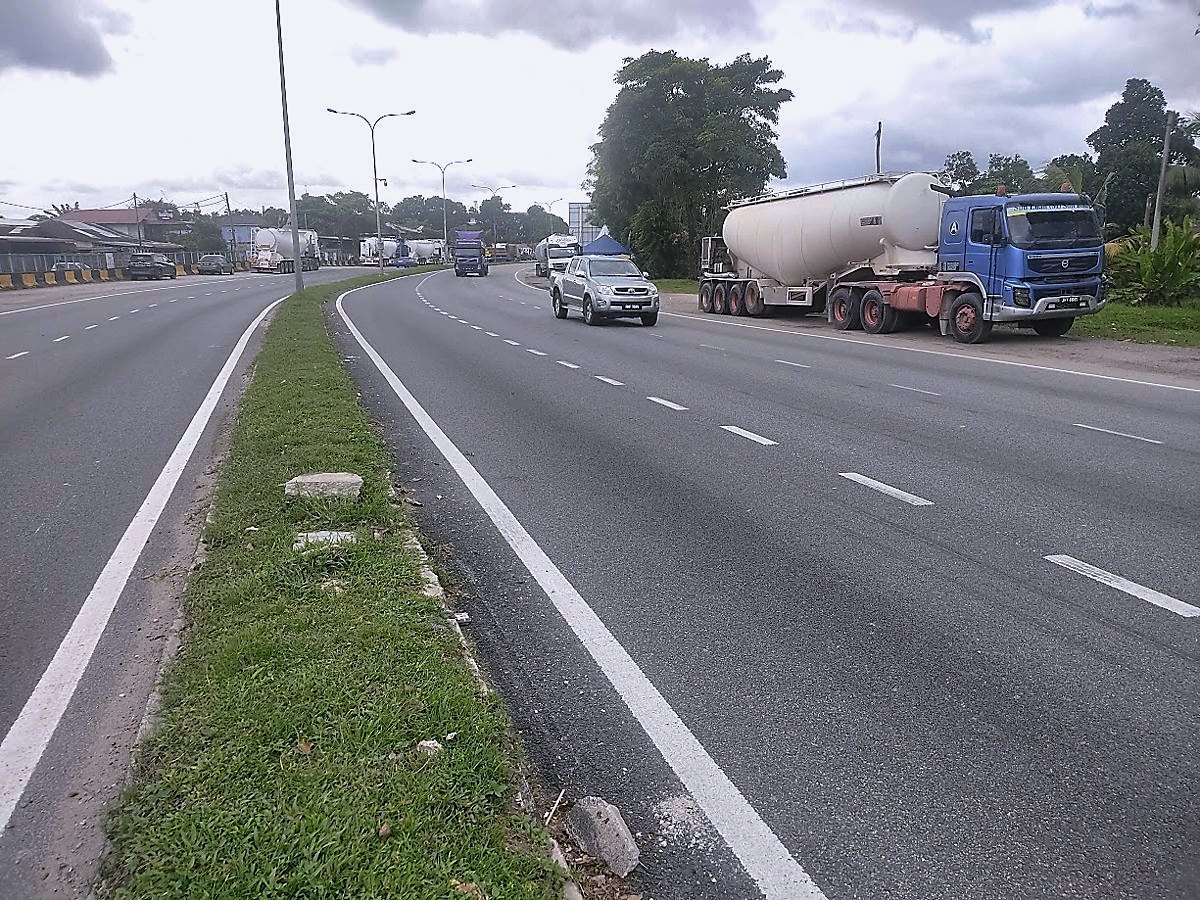
Jalan Pekeliling and Jalan Besar carry container trucks and heavy lorries serving Pasir Gudang's port and industrial estates. For Majlis Bandaraya Pasir Gudang, Safwa Global Venture first laid Fibre Mastic Asphalt here in 2022.
The work was extended in 2023 and 2024. Each phase is inspected after opening, with the 2024 section monitored to 17 months.
An industrial road for Majlis Bandaraya Subang Jaya.


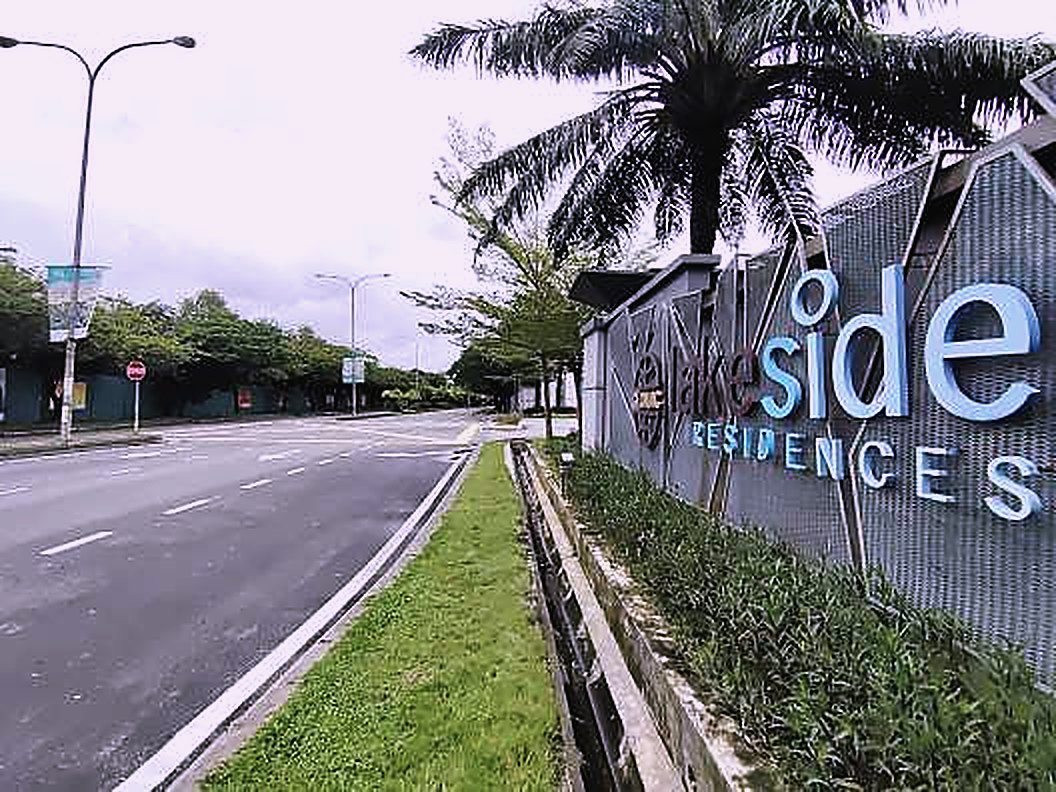
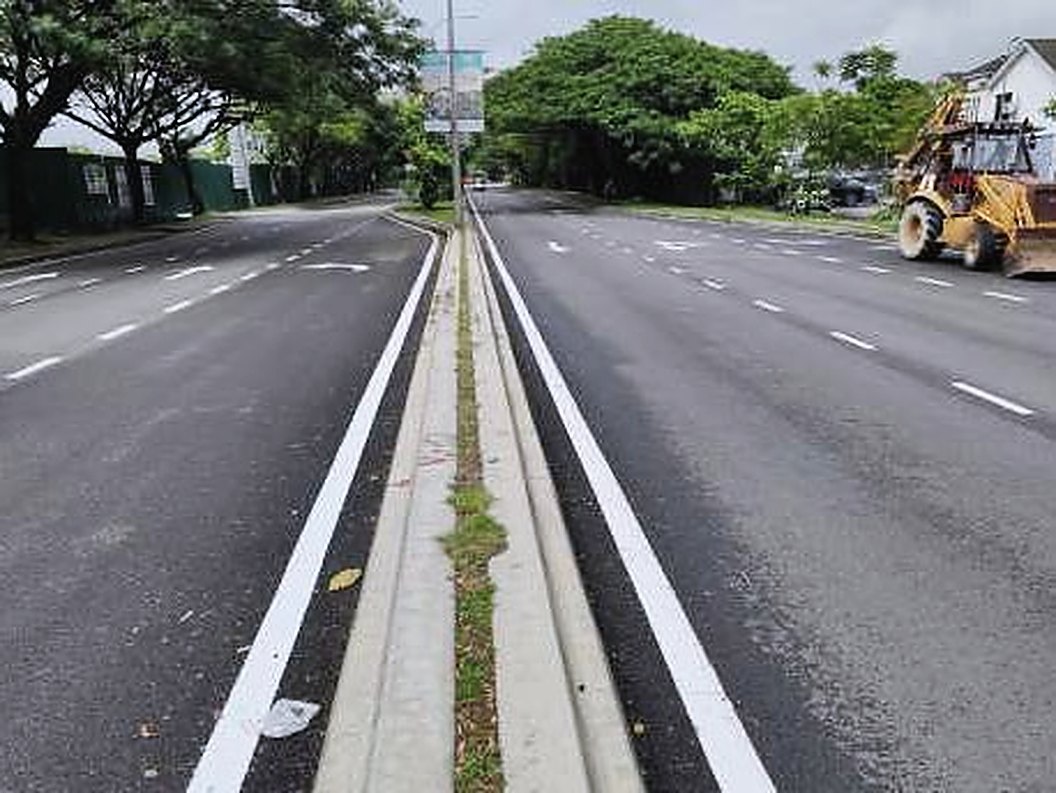
The road links factories, warehouses and showrooms with nearby housing, with lorries and trailers turning and parking through the day. After a trial lay, about 2 km was resurfaced in both directions, with Jalan Denai, in April and May 2025.
At the 12-month inspection in June 2026, the road remained in good overall condition.
Industrial roads for Majlis Perbandaran Hulu Selangor.

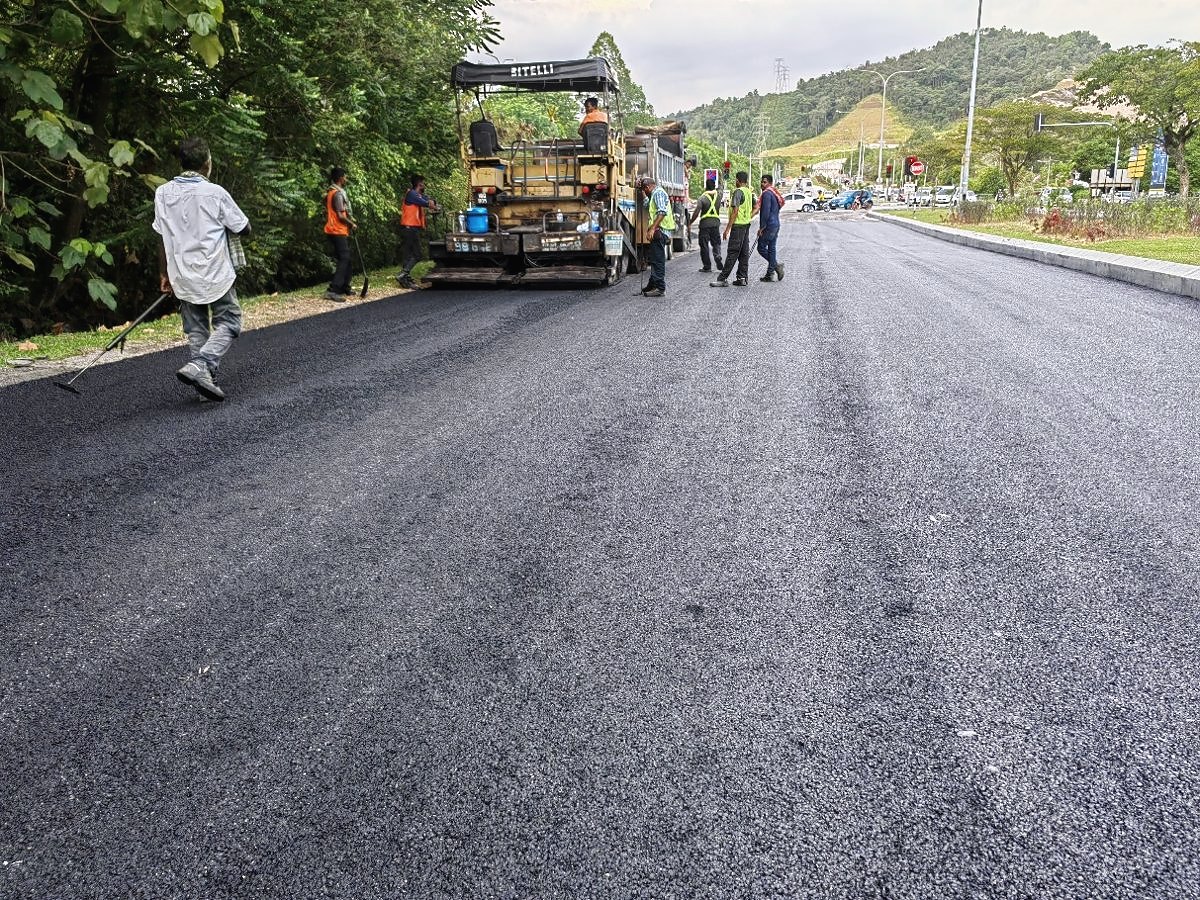
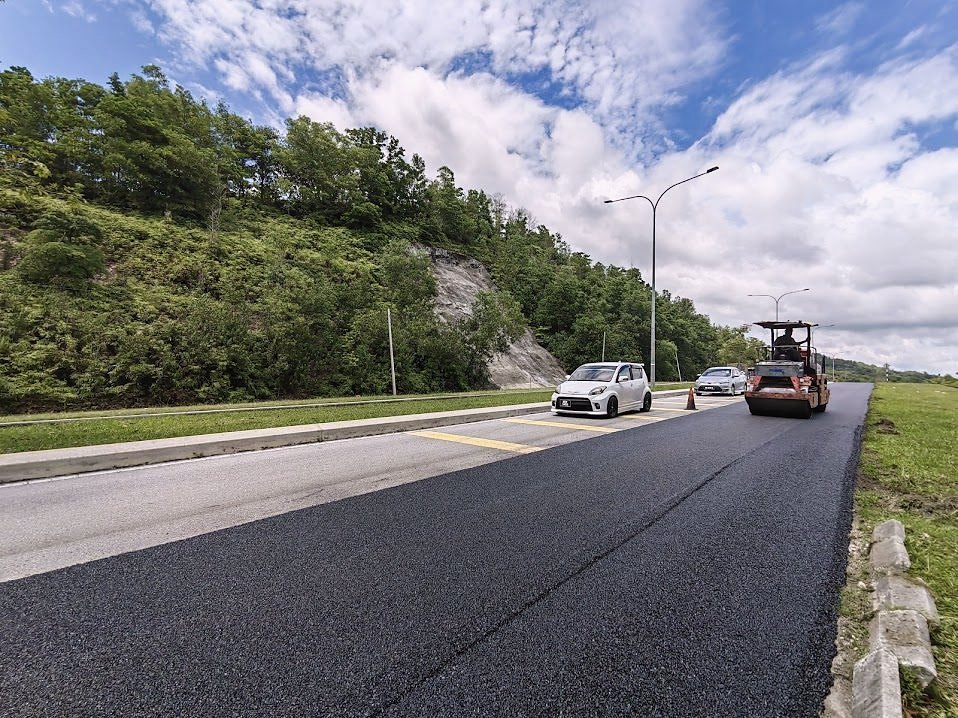
The work began with an investigation. Coring and dynamic cone penetrometer tests showed the distress was in the asphalt layers, not the subgrade, so FMA14 was laid on Persiaran Majlis and Persiaran Jejarum in December 2022.
The council extended the work in 2023 to Persiaran As-Salam, Kuala Kali, Seroja and Automotif.
Special projects on campus.


UPM, where the research behind Fibre Mastic Asphalt was carried out, uses its campus roads as working sections, starting with Lebuh Silikon in 2017.
The latest, an FMA20 paving project at the Faculty of Engineering launched in September 2025, was delivered with Novapave's partners Sunway Quarry Industries, PETRONAS Research and Kemakmuran 2000 Group.
Each project starts with a site assessment and a mix design proven in a plant trial. Our engineers support paving on site, and the road is inspected after it reopens, with monitoring reports at 3, 6 and 12 months. Details of the process are on our Quality & Compliance page.